


This article is one of three weekly exclusive articles (Sundays, Mondays, and Wednesdays) for my paid subscribers. Thank you for continuing to fund independent, approachable military analysis with a heavy dose of pro-Ukrainian sentiment and a side of anti-authoritarian humor.
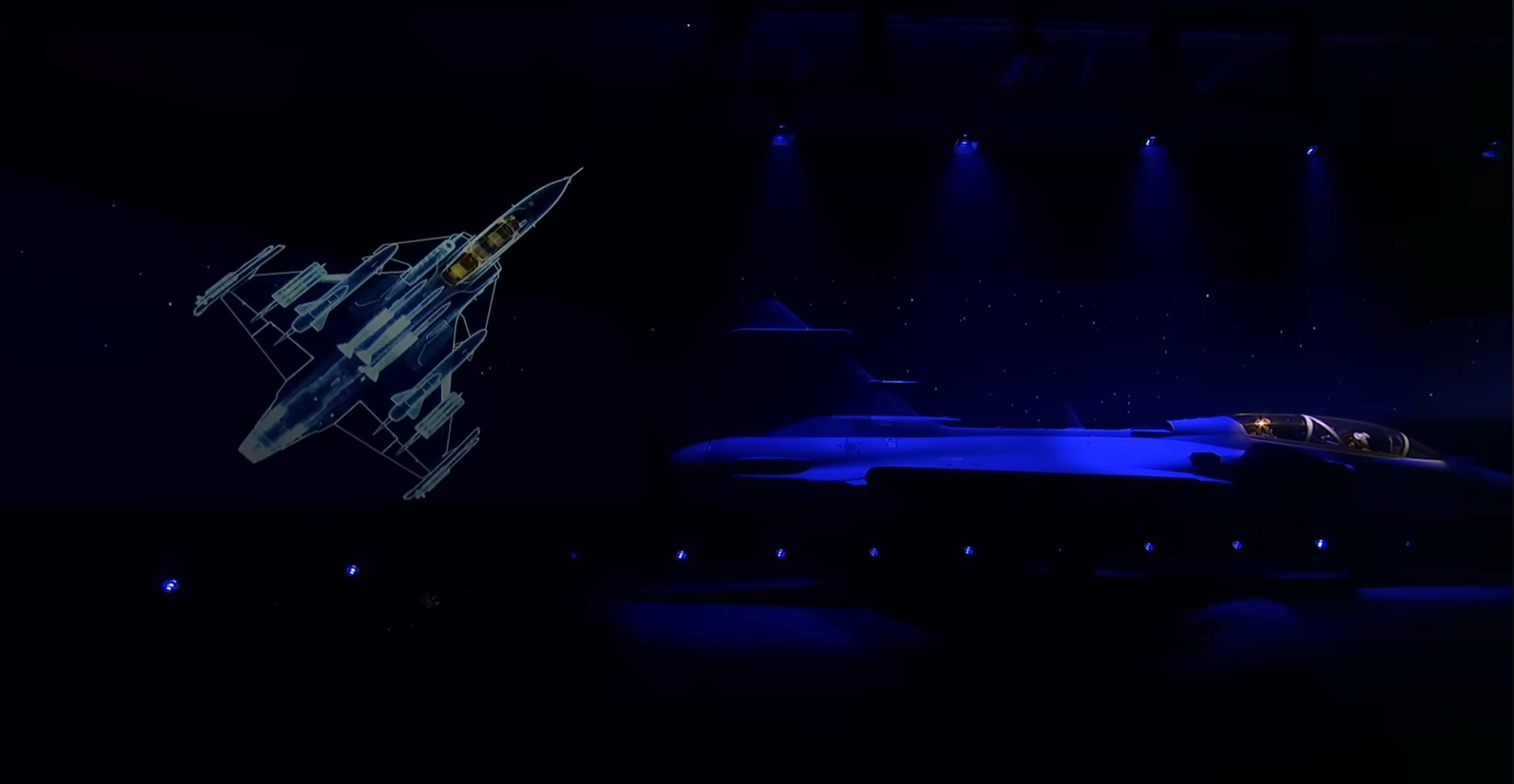
Hey friends, on June 2, Saab rolled out the first Gripen Fox: the two-seat version of the Gripen E, built for and co-developed with Brazil.
And the marketing department had clearly been at the espresso bar. The launch video talks about “commanding complexity with confidence, clarity, and precision” over dramatic lighting and a Hans Zimmer score that sounds like the aircraft personally liberated a small monarchy on the way to the ceremony.
As someone who knows the value of polished packaging, it’s extremely well done. Just watch the first four minutes. You won’t be disappointed:
I actually thought about doing a “react” style video for YouTube, where I play the Saab video for a while then pause to talk about it, etc., but decided to write this instead.
Here’s the thing, underneath the dope unveiling, Saab is making a genuinely serious argument, and it’s one worth taking apart carefully. Because the obvious question almost answers itself in the wrong direction.
We have spent four years watching Ukraine turn the sky into a drone-saturated machine-vision nightmare.
Everyone agrees the future is autonomous, AI-driven, and unmanned. So why, in 2026, would anyone build a fighter with two seats instead of zero?
The answer is workload. And it’s a better answer than you’d expect.
