


Russia is waking up an old Soviet garrison in Petrozavodsk, in Karelia, about 160 km from Finland, and it’s doing it in the most Russian way possible: with a lot of chest-thumping “patriotic duty,” a lot of construction, and a lot of implied menace that doesn’t fully survive contact with a map.
Finnish broadcaster Yle, working off satellite imagery and Finnish military analysis, reports that the Rybka garrison district, which had been largely dormant since the 1990s, has shifted from “overgrown training area” to active build site, with cleared forest, new facilities, and vehicles parked in the open.
The same reporting frames Petrozavodsk as a future hub for Russia’s newly established 44th Army Corps, which Finnish analysts estimate could eventually total up to 15,000 personnel.
Plans to stand up the formation were first floated in December 2022. The 44th Army Corps itself was stood up in 2024, organized under the Leningrad Military District and tied to the Republic of Karelia.
Its reported order of battle includes the 72nd Motor Rifle Division, which is built around the 22nd, 30th, and 41st Motor Rifle Regiments, plus the 128th Separate Motor Rifle Brigade.
By May 2024, elements of the corps were committed to Russia’s northern Kharkiv push in Ukraine. In spring 2025, during fighting around the Kursk axis, units associated with the corps were reported operating near Oleshnya (southwest of Sudzha), Gogolevka, and Guyevo, with additional activity spilling toward Ukraine’s Sumy region. By December 2025, the corps was also reported involved in the battle for Vovchansk, which later fell during the broader northern Kharkiv operation.
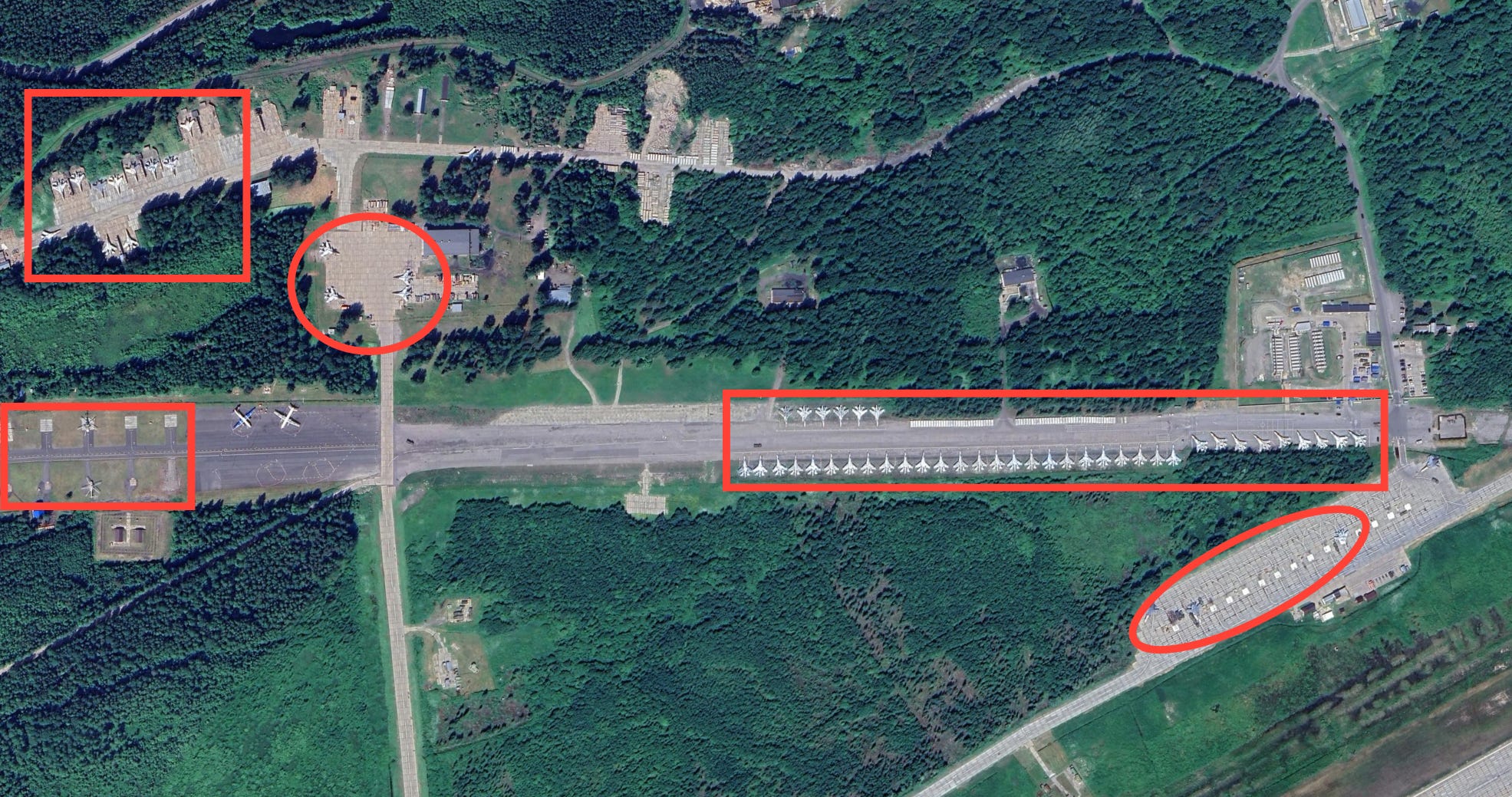
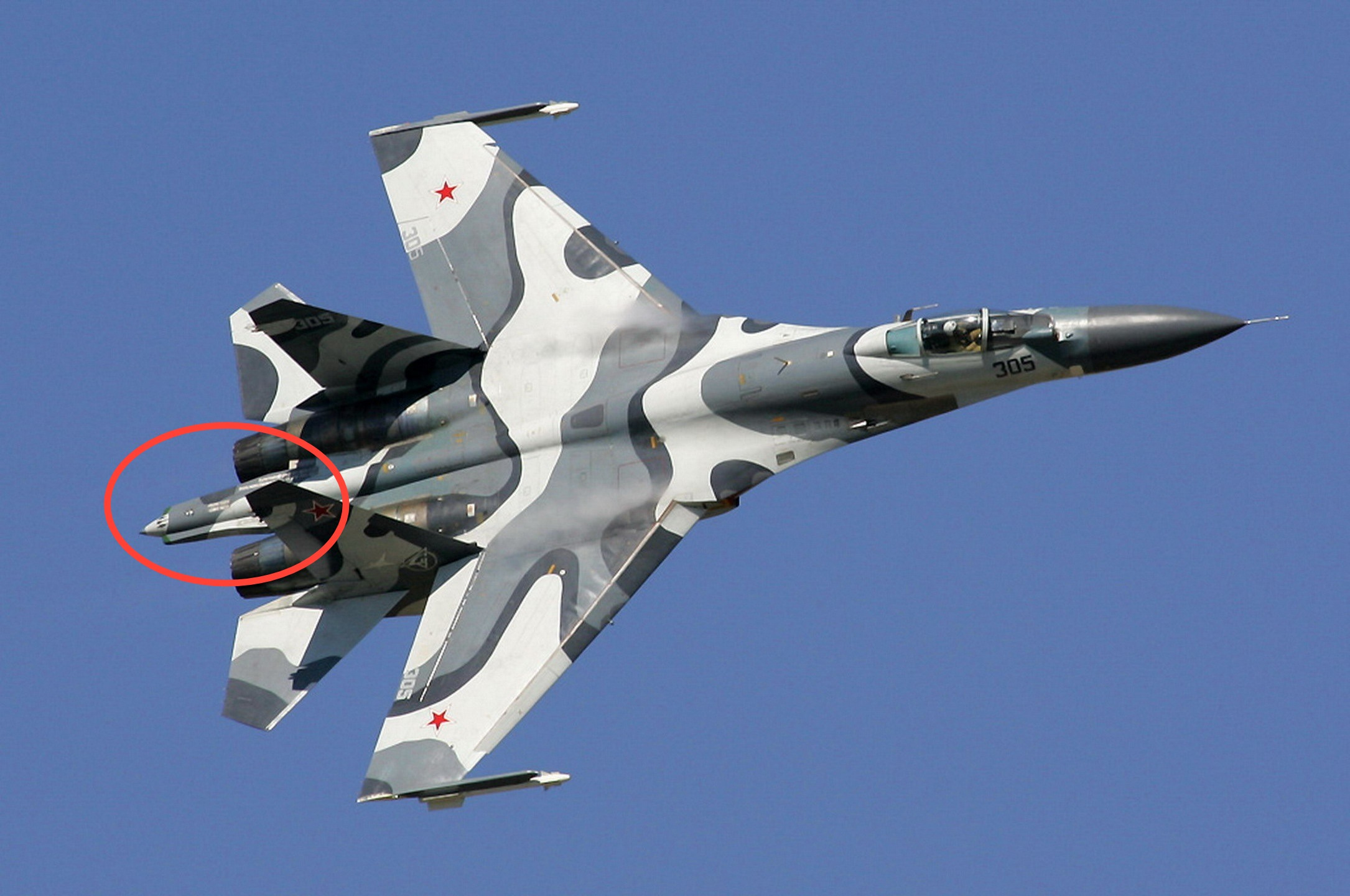
Yle didn’t mention this, but I have also noticed increased activity at Petrozavodsk International Airport. You can always spot a Flanker because back in the Air Force we used to say “Flanker has the wanker.” As in, you can always see the distinctive tail boom sticking out between the engines in overhead imagery.
Zoom out and the Russian logic is obvious. Finland joined NATO, the Russian border suddenly matters again in Moscow’s internal mythology, and Karelia is the nearest place where the Kremlin can stage a “we’re serious” pose without admitting its army is already consumed in Ukraine.
So, you refurbish old bases, hang fresh signage on a rusted gate, and tell local officials to clap on camera.
Those officials appear happy to do it. Regional statements reported in Russian local outlets describe the buildup as a “responsible task” and an “outpost on the NATO border,” with the usual promise that troops will bring families, services, and economic life.
It’s the classic garrison-town pitch: we’re militarizing your backyard for your own good, please enjoy the new clinic with sub-standard healthcare.
The numbers floating around the Karelia story matter because they reveal two separate Russian aims that get blurred together in propaganda.
