


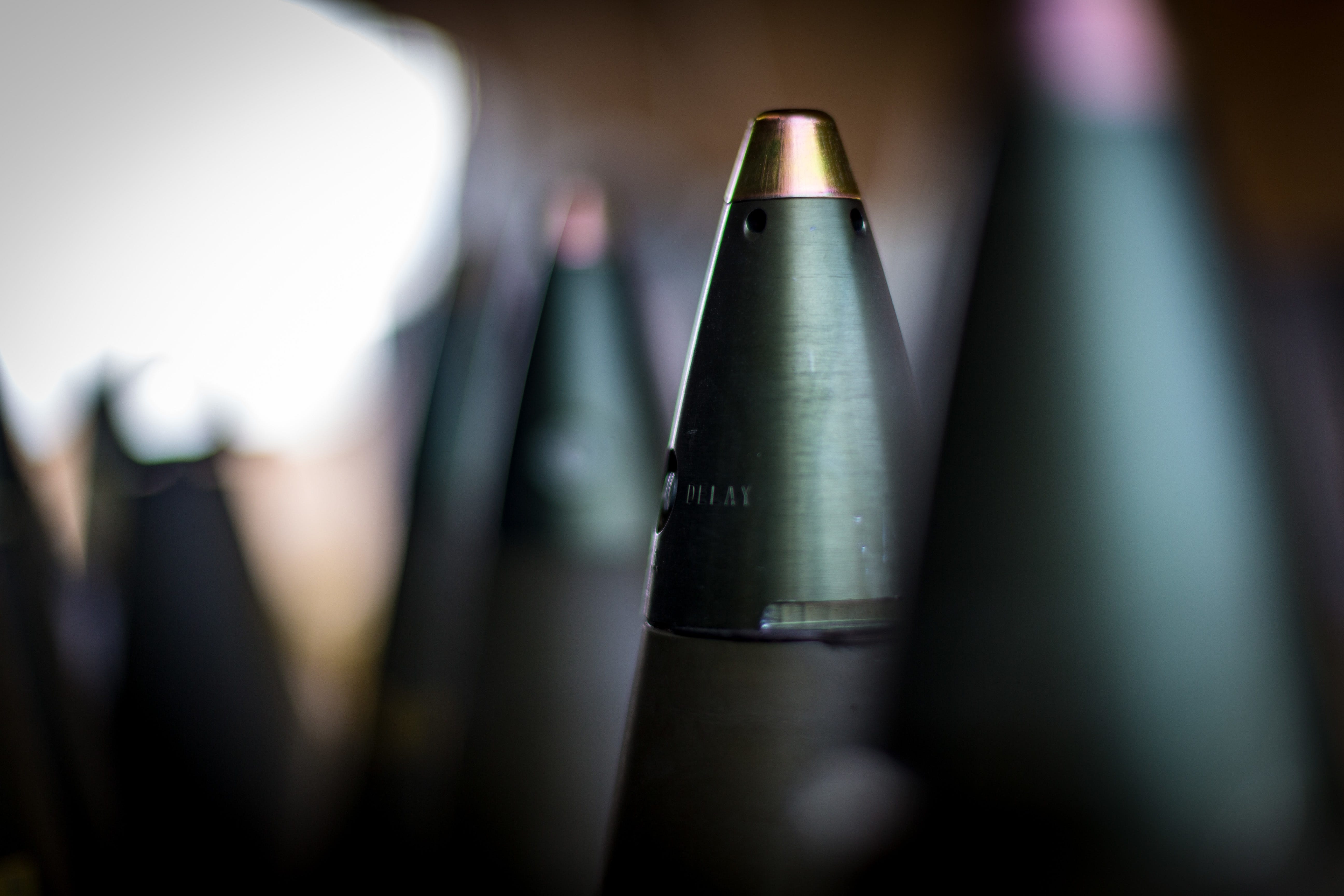
If you want a blunt way to measure who is winning a long artillery war, you don’t count artillery pieces.
You count working shifts.
You count machine tools.
You count how many lots pass quality inspection.
You count how many trucks can move powder and fuses without getting lit up by a Shahed at 2 a.m.
You also count propellant, because propellant is the boring, dangerous, irreplaceable ingredient that turns a steel tube and a metal can into an actual shot.
This is why the reported completion of Czechoslovak Group’s technology transfer to Ukrainian Armor is a big deal. A transfer is drawings, tolerances, metallurgy, tooling, gauges, test protocols, packaging standards, storage rules, and the quiet institutional knowledge that separates “we built a thing” from “we can build ten thousand identical things, safely, every month.”
And there is a second reason it matters.
It’s not only about Ukraine shooting more. It’s about Ukraine refusing to be held hostage by the global supply chain for 155mm ammunition, which has been strained hard enough that even wealthy NATO states are relearning what scarcity feels like.
Ukraine has been fighting a modern war with nineteenth-century math. Every kilometer gained or lost is a function of who can sustain fires longer.
Drones are important, of course: Drones spot, drones strike, drones terrorize, drones film.
But, artillery still does the heavy lifting of suppressing, shaping, and breaking formations.
Both sides know it. Both sides bleed for it.
