Discussion about this post

User's avatar
Herbert Jacobi's avatar

I believe there was some speculation about the program being infiltrated by the KGB at some point and not wanting the advanced tech to be leaked to Russia. T?F? Smoke screen? Who knows.

Personally I think Canada (and I say this as an American) should look strongly at the Saab. Seems more designed for Canadian conditions (very much like Sweden). If you look at the history of the Saab 21R which started out as a piston powered plane and made the leap to a jet (there is a Youtube video on it) they have a long history of building advanced planes.

Scott Carter's avatar

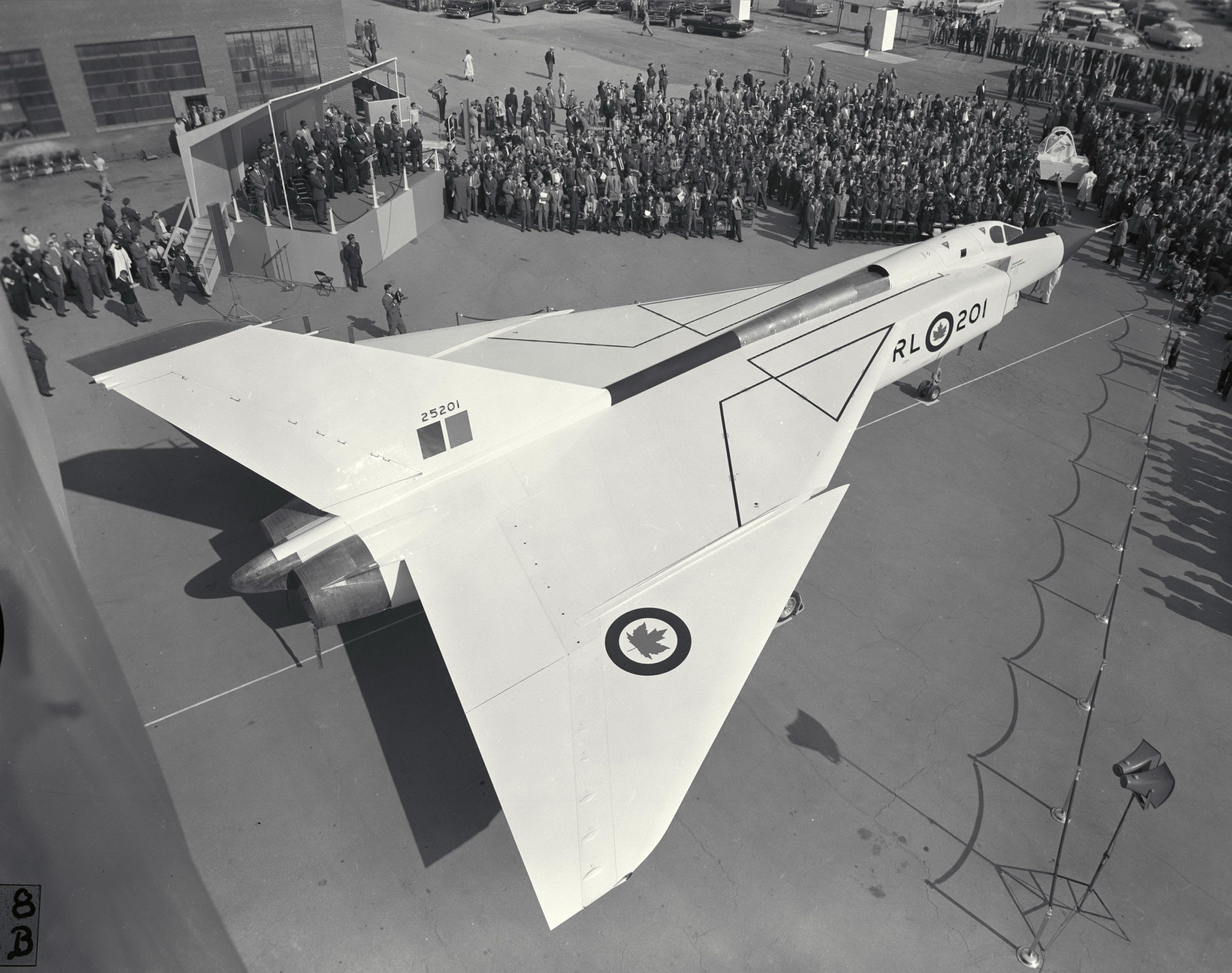
The Arrow is part of our Canadian consciousness because many years ago we dared to dream. The issue with the RCAF specifications may have contributed to its eventual demise. An airframe, engines and weapons (Velvet Glove) were a tall order for a country our size. Note the following:

- six aircraft were complete and the remaining four were under various stages of assembly;

- the Arrow Mk. 2 with PS-13 Orenda engines was scheduled to fly the day of cancellation; all five Mk. 1 aircraft were flown successfully;

- all armaments were housed within a weapons bay for superior performance;

- the Arrow was the first aircraft to use titanium in quantity and Avro Canada purchased a titanium foundry company to provide same as it was “scarce”;

- there are photos of Arrows under destruction easily searched;

- the Arrow dynamics involved leading edge research into boundary layer airflow at high speeds around the engine intakes;

- the Royal Aeronautical Establishment in the UK requested four aircraft for research after programme cancellation. This may have hastened the destruction timeline. If RAE Farnborough reported on its advanced fighter characteristics then the matter would have been a major embarrassment for the Canadian government;

- a maximum speed of Mach 1.95 was reached;

- Arrow as a delta winged fighter succeeded in transsonic (from subsonic to supersonic) performance unlike earlier foreign delta platforms;

With the death of Arrow, many engineers and skilled trades departed for the US, the UK and Europe. These engineers were employed by major US aircraft manufacturers, NASA and companies that eventually comprised Airbus Industries. If engineers can’t ply their trade then they move on…;

- the estimated costs of placing 100 Arrows into service was $1.25 billion (CDN - 1959 dollars)

The US/Canada Defence Production Sharing Agreement locked in Canadian purchases of American military hardware in exchange for US defence production in Canada. Sound familiar with the F35 programme?

Thank you very much for writing this article. All of the information is correct to the best of my ability and from memory.

NOW FOR THAT STIFF DRINK…

32 more comments...

No posts

Ready for more?